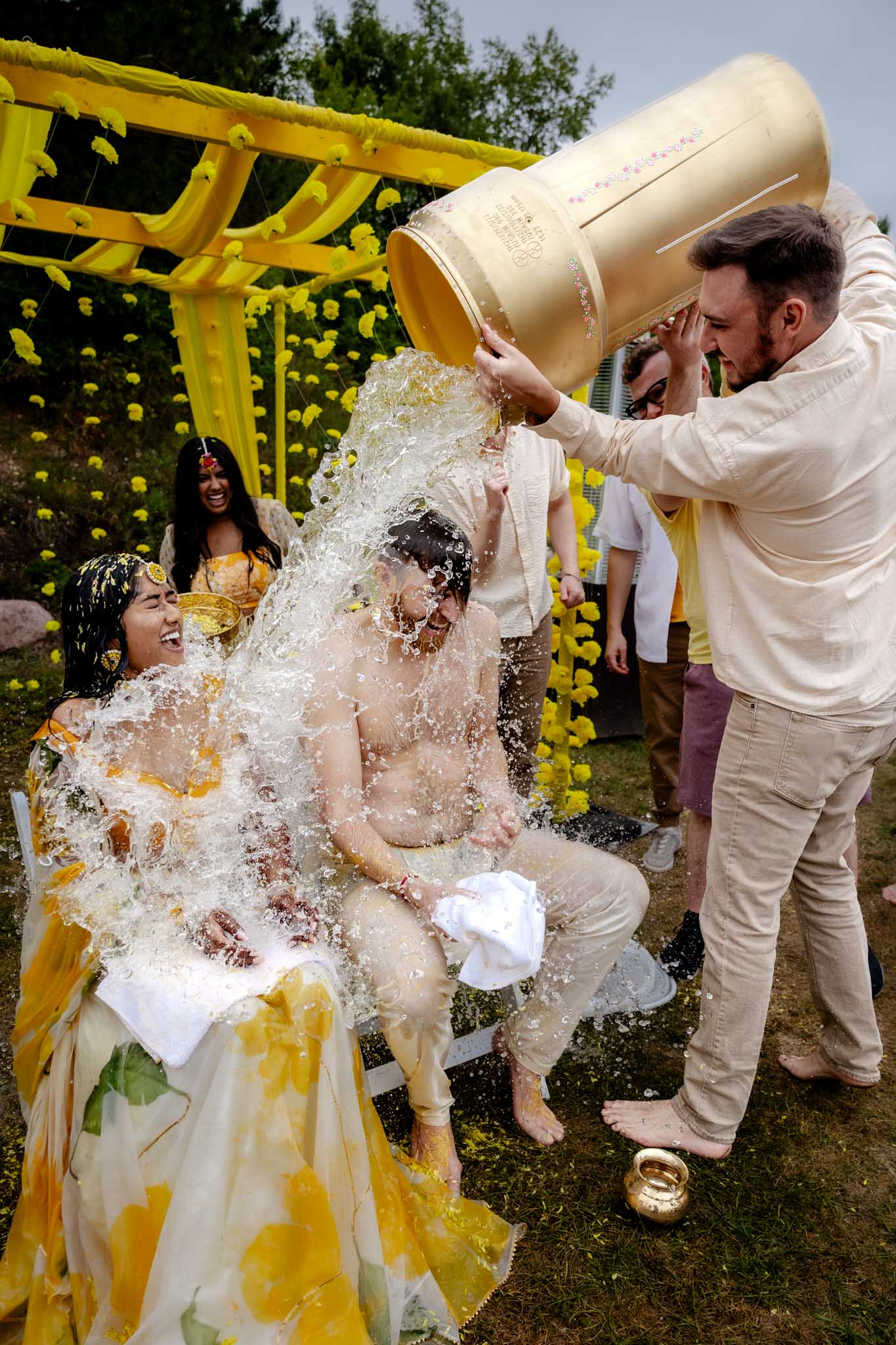

Introduction to Haldi
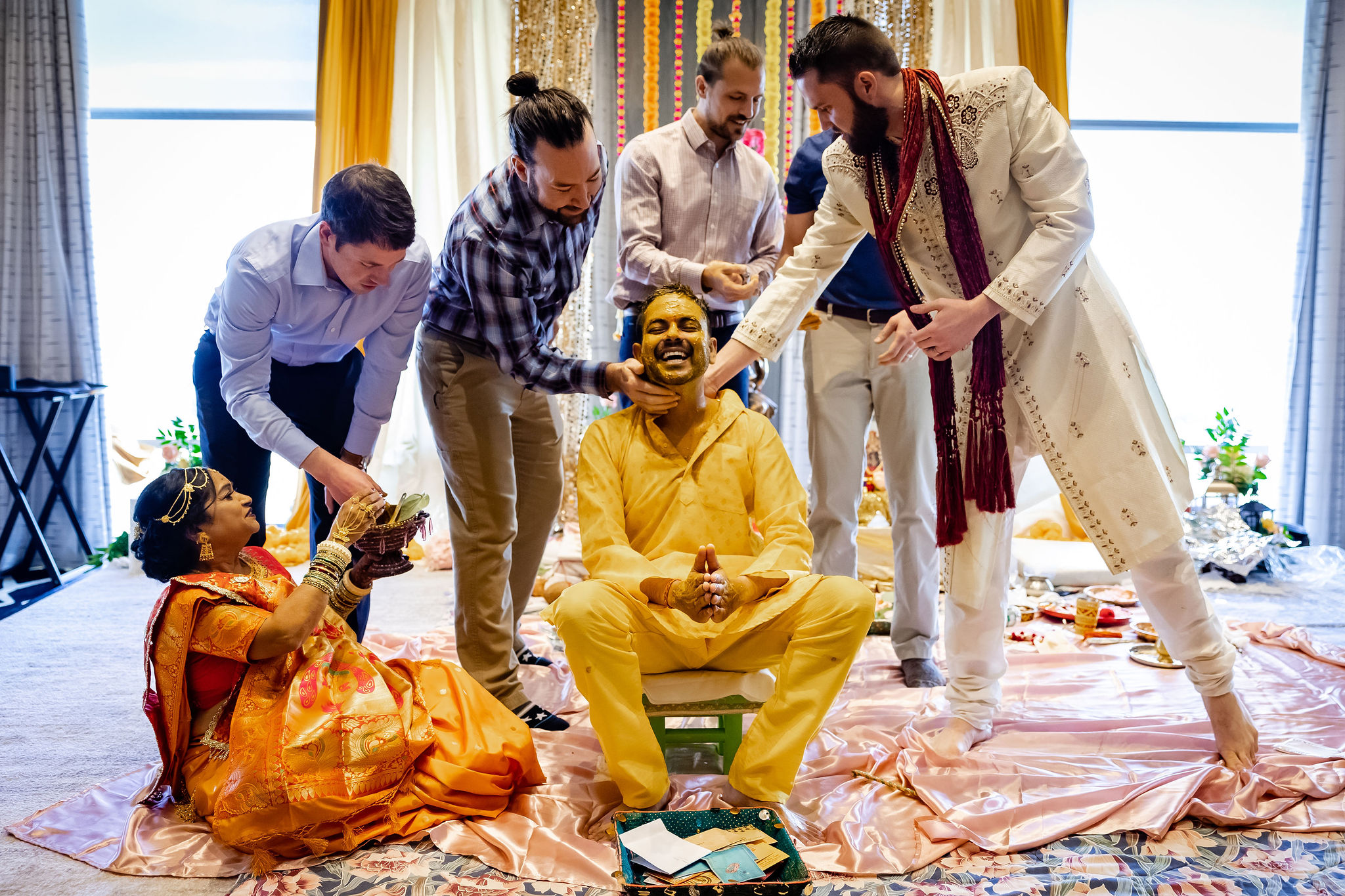
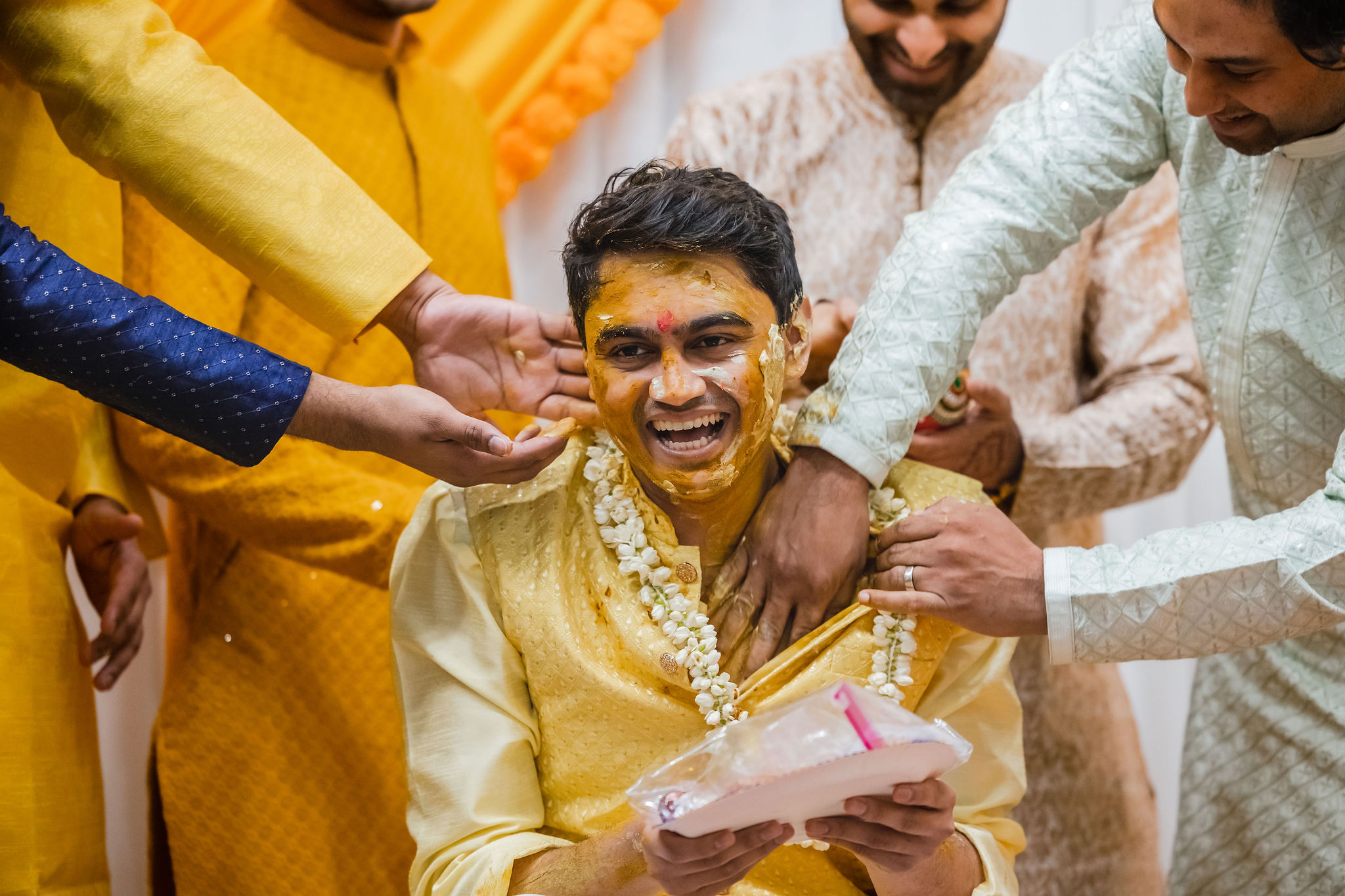
The Haldi ceremony, also known as the Haldi ritual or Pithi ceremony, is a traditional pre-wedding event celebrated in Indian weddings. This ceremony is particularly popular in Hindu weddings and is held a day or two before the main wedding day.The Haldi ceremony is performed to cleanse and purify the bride and groom before their wedding day, bringing a natural glow to their skin. It is also believed to ward off evil spirits and bring good luck. Everyone in the family and friends will get the opportunity to apply haldi to the couple.

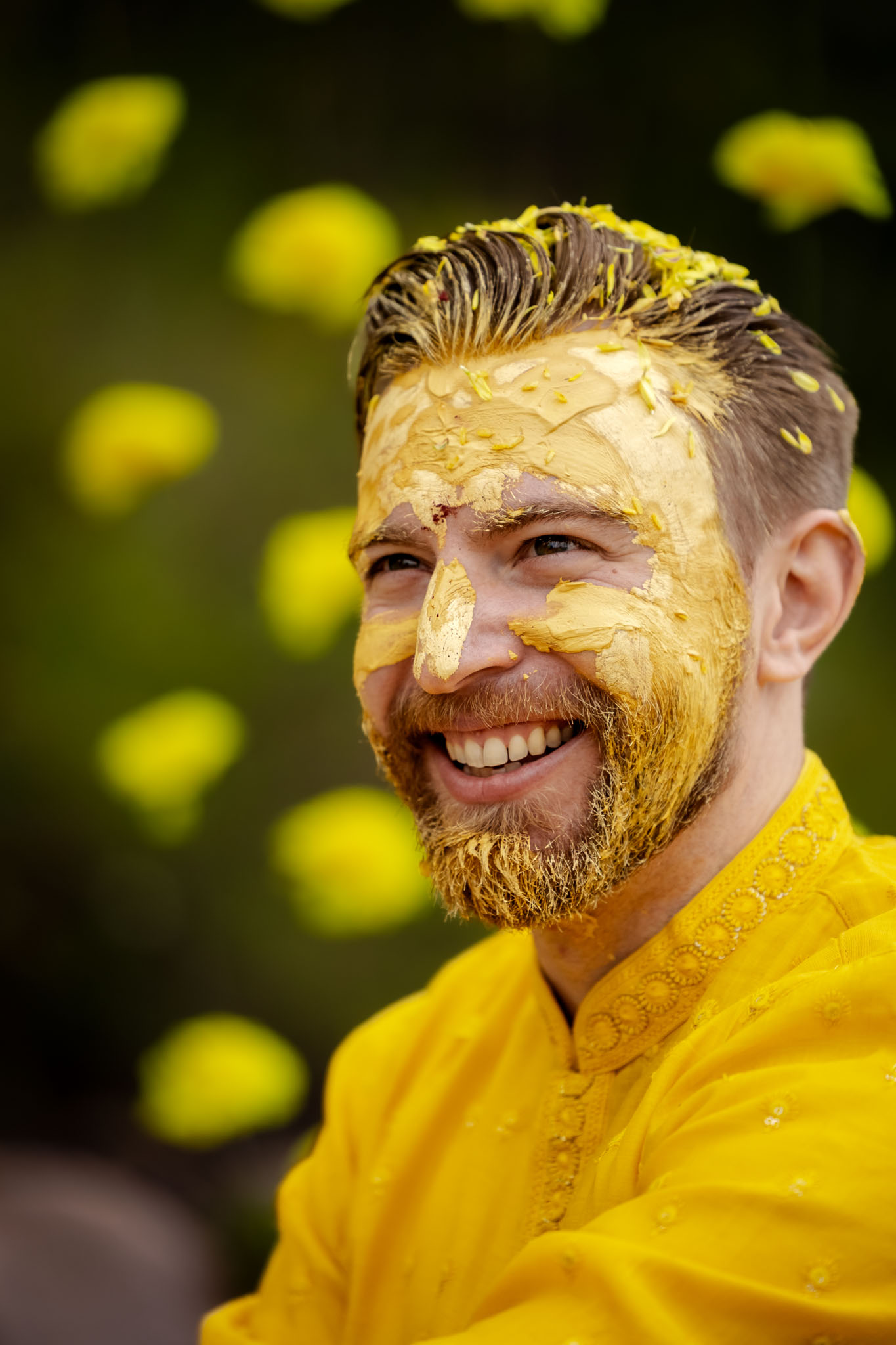
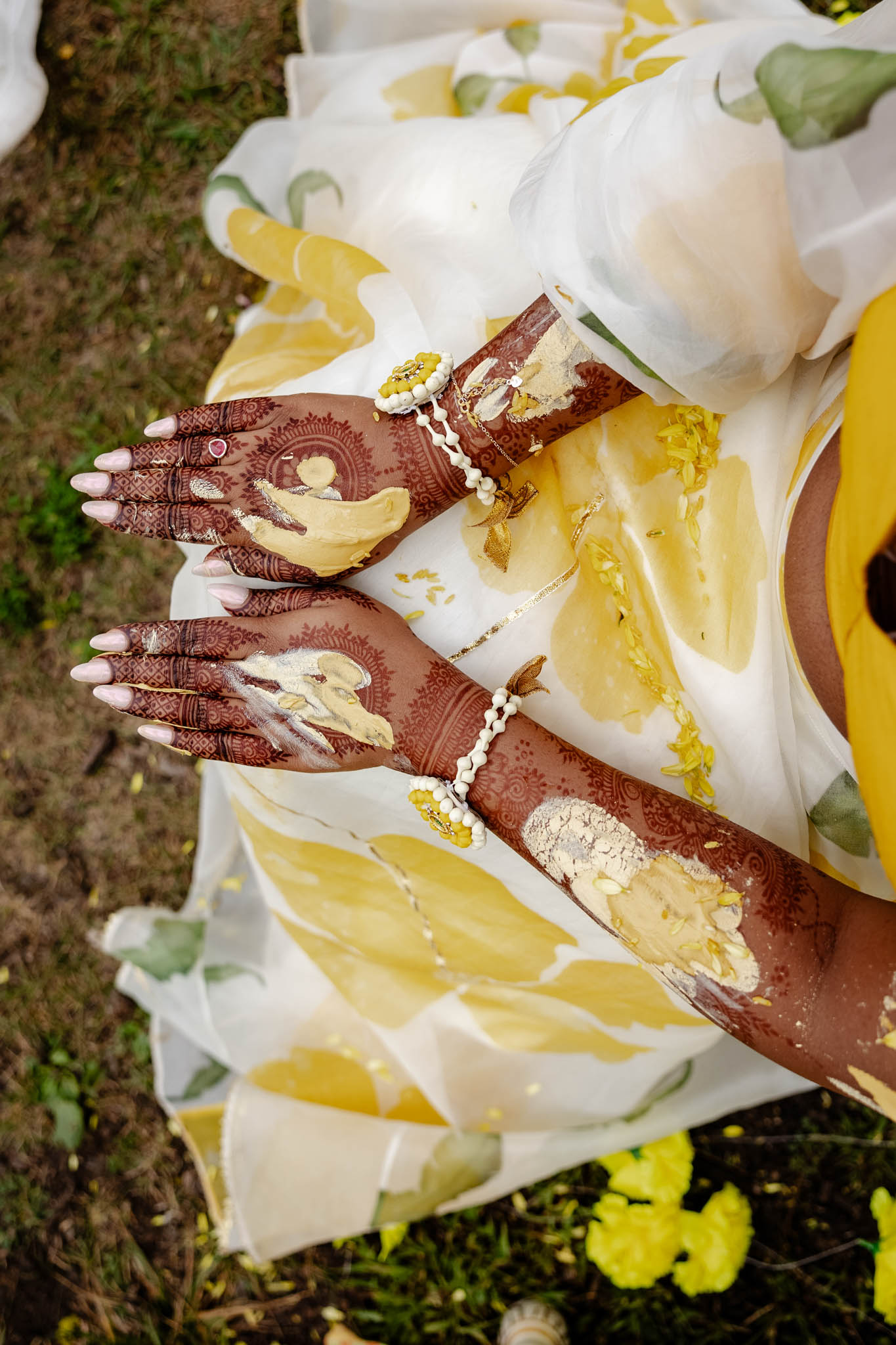
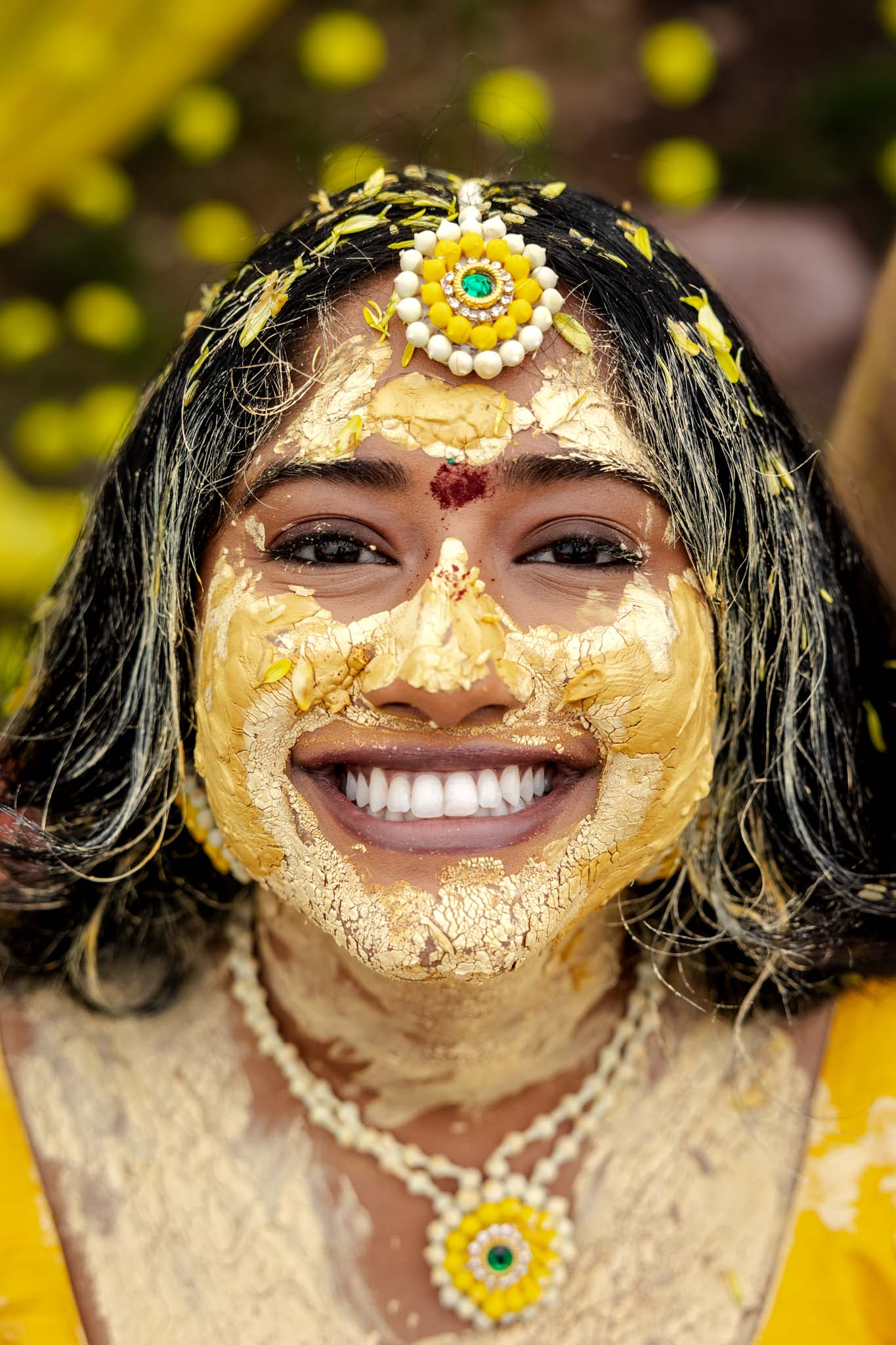
Haldi Paste

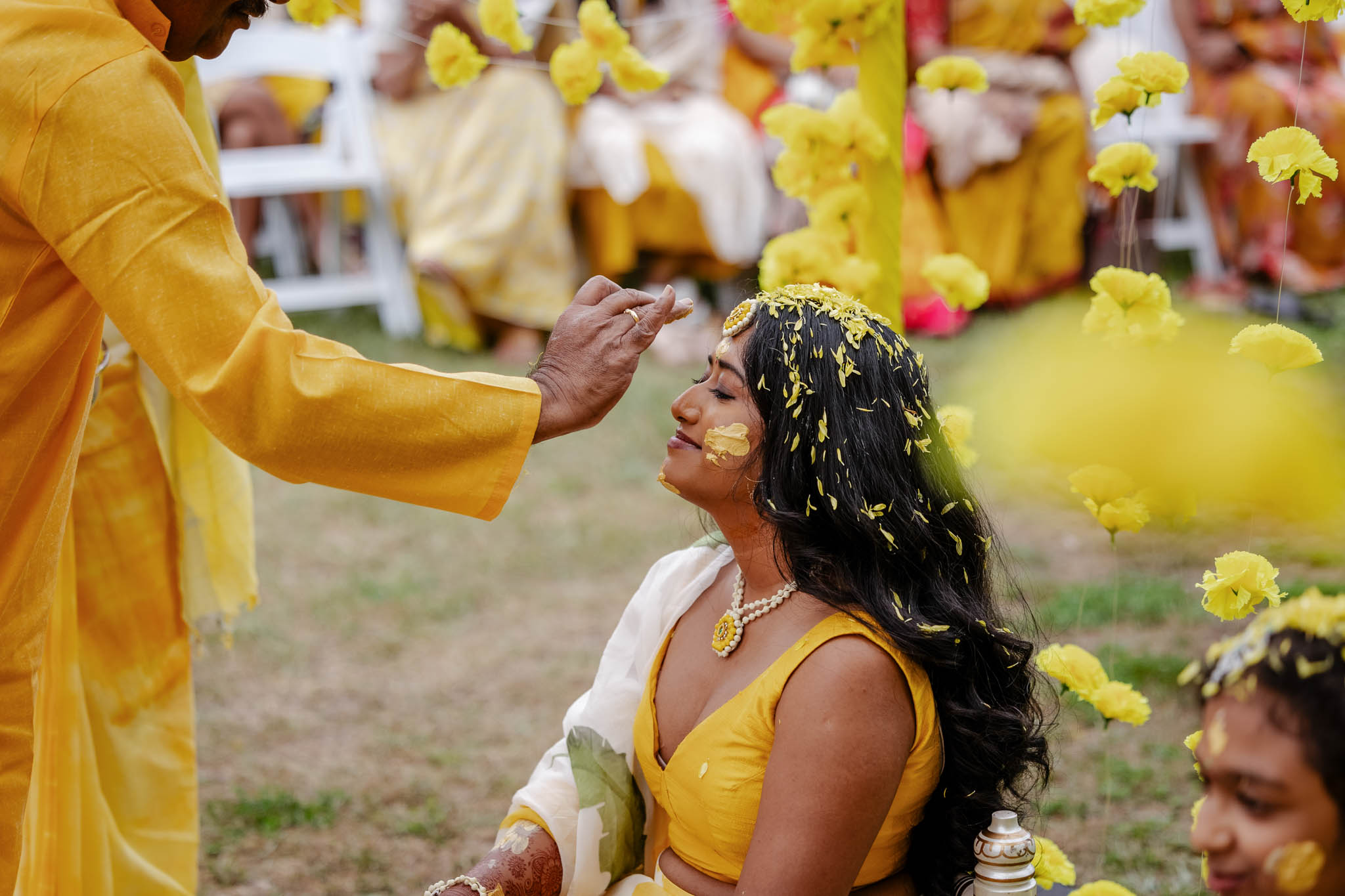
Haldi Ritual in Indian Wedding
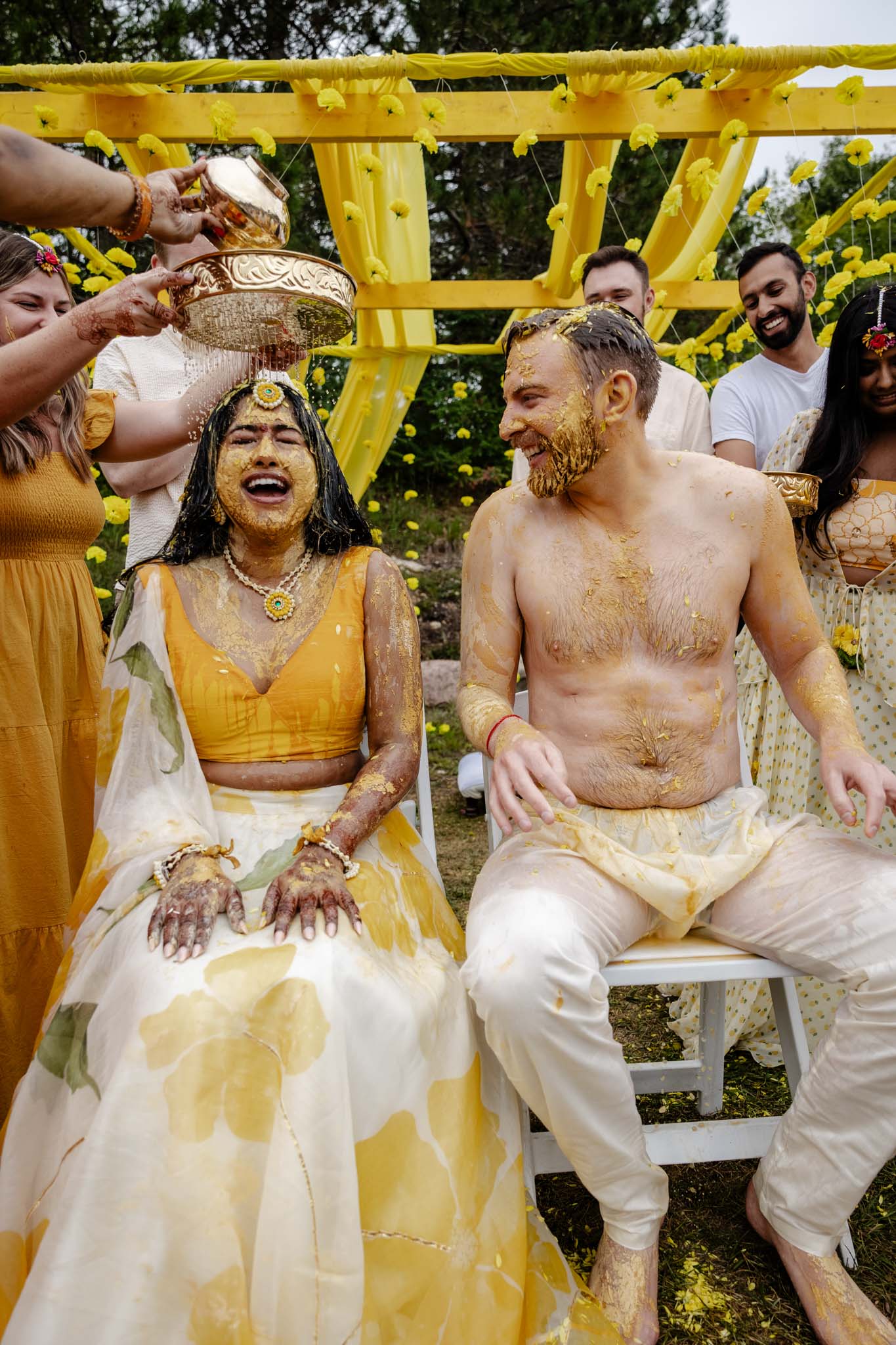
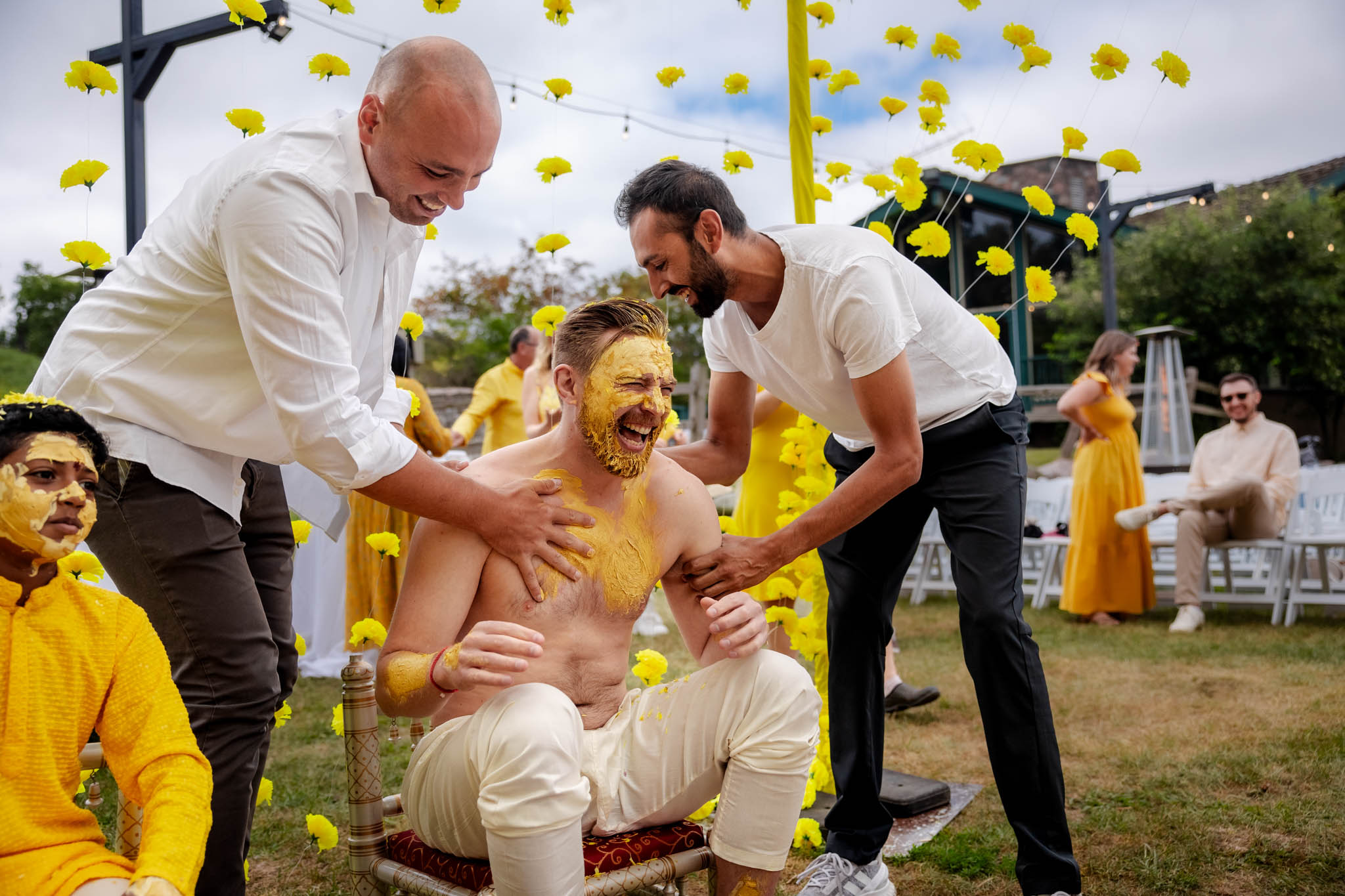
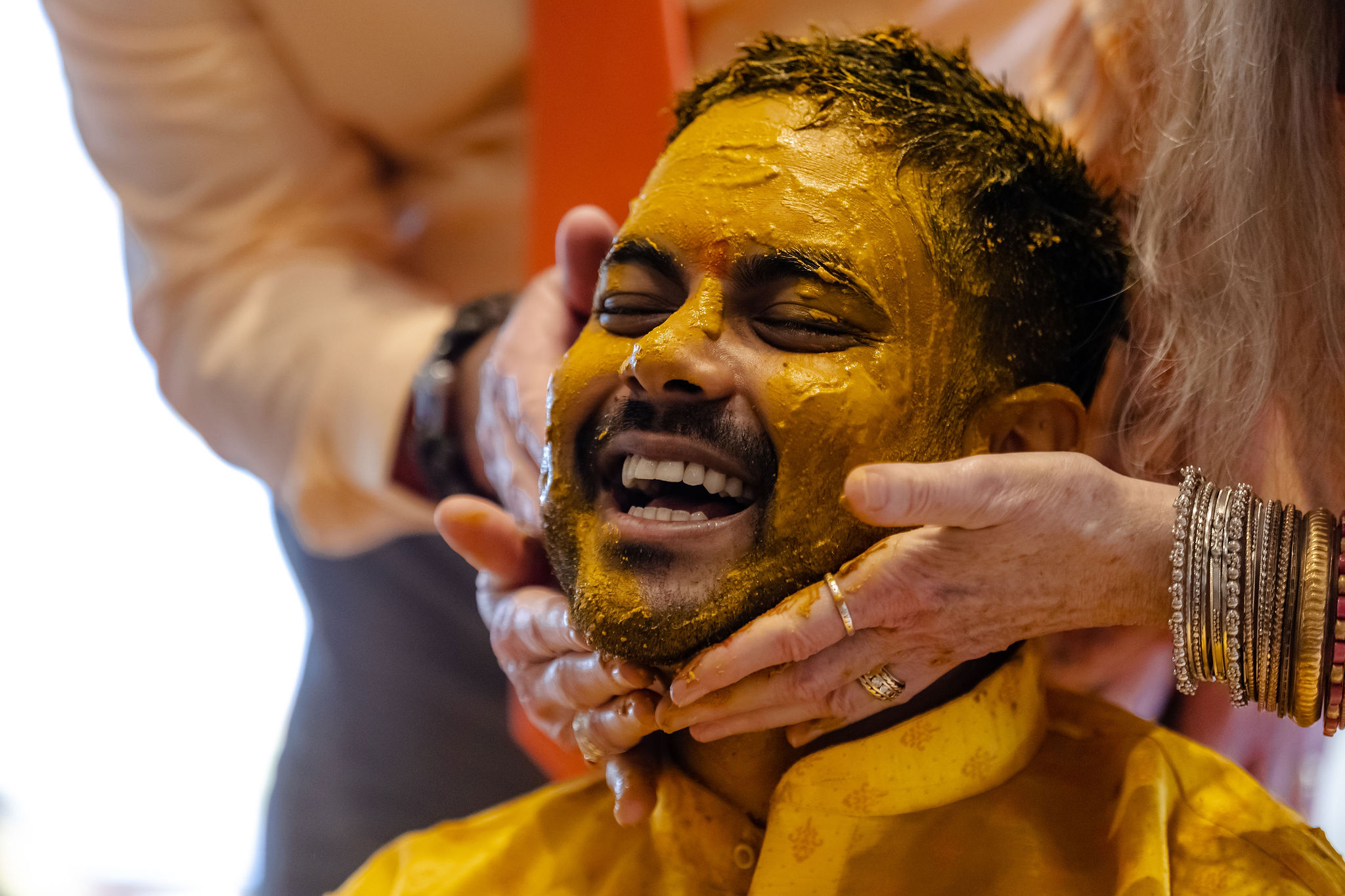
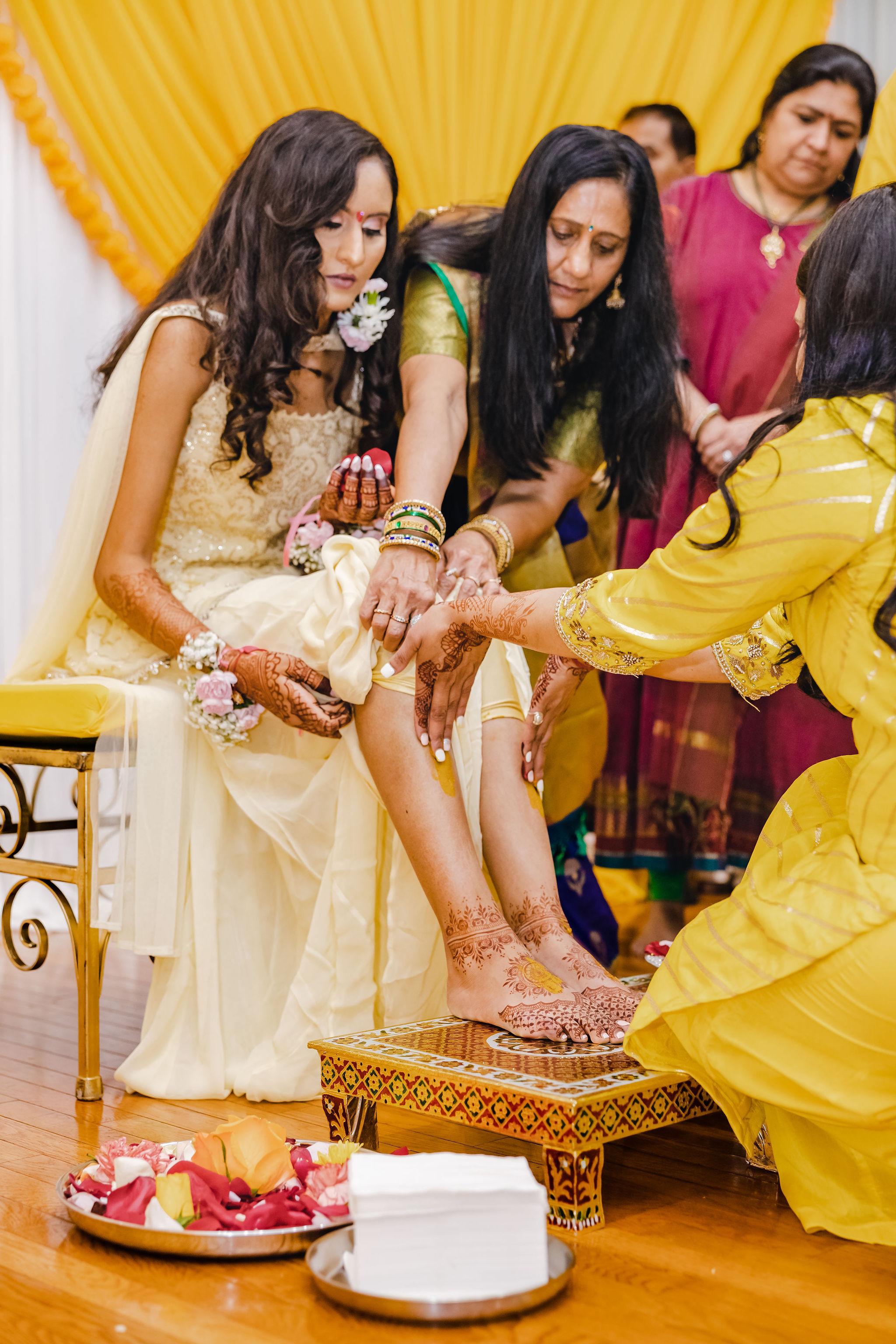
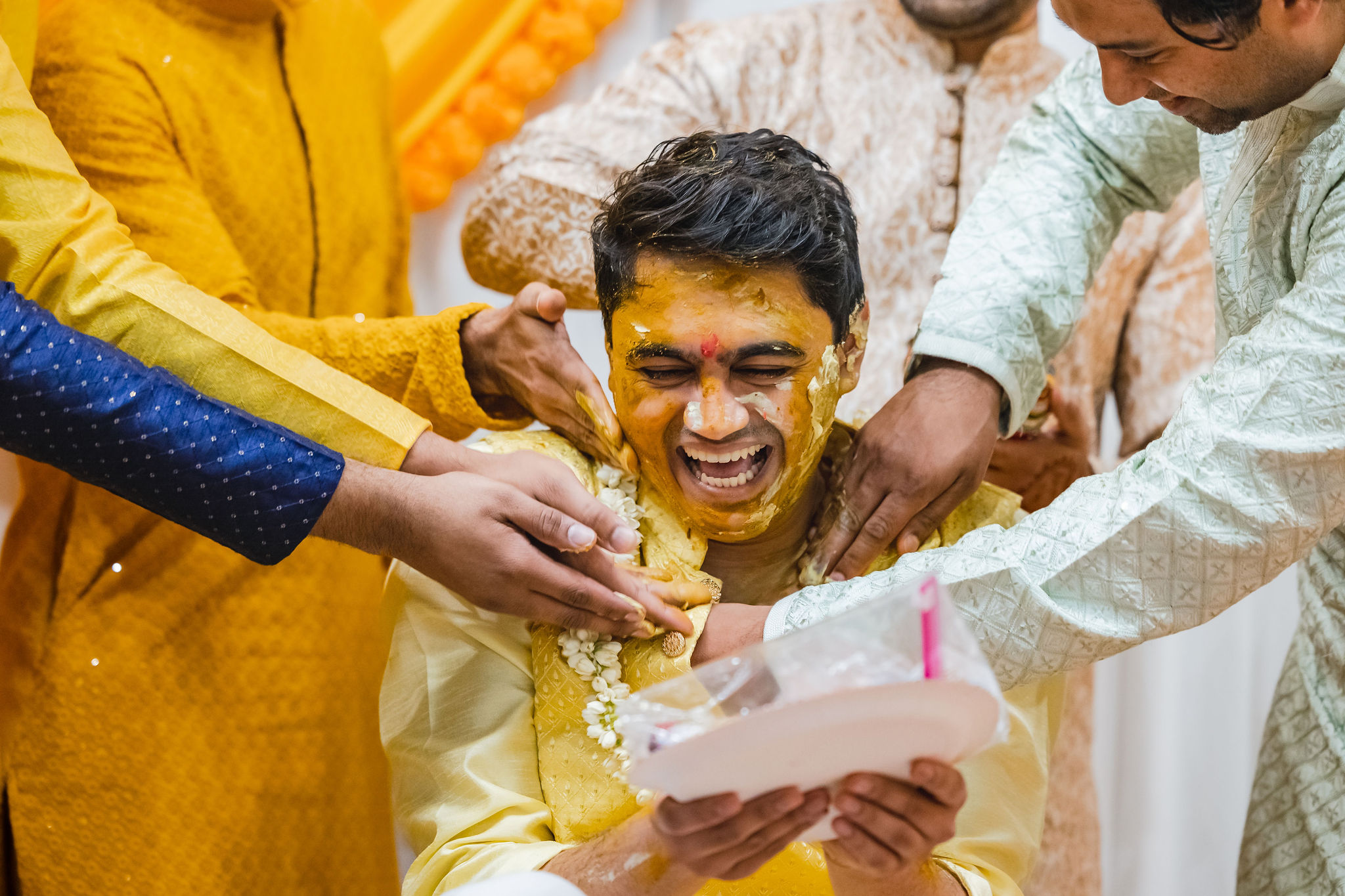
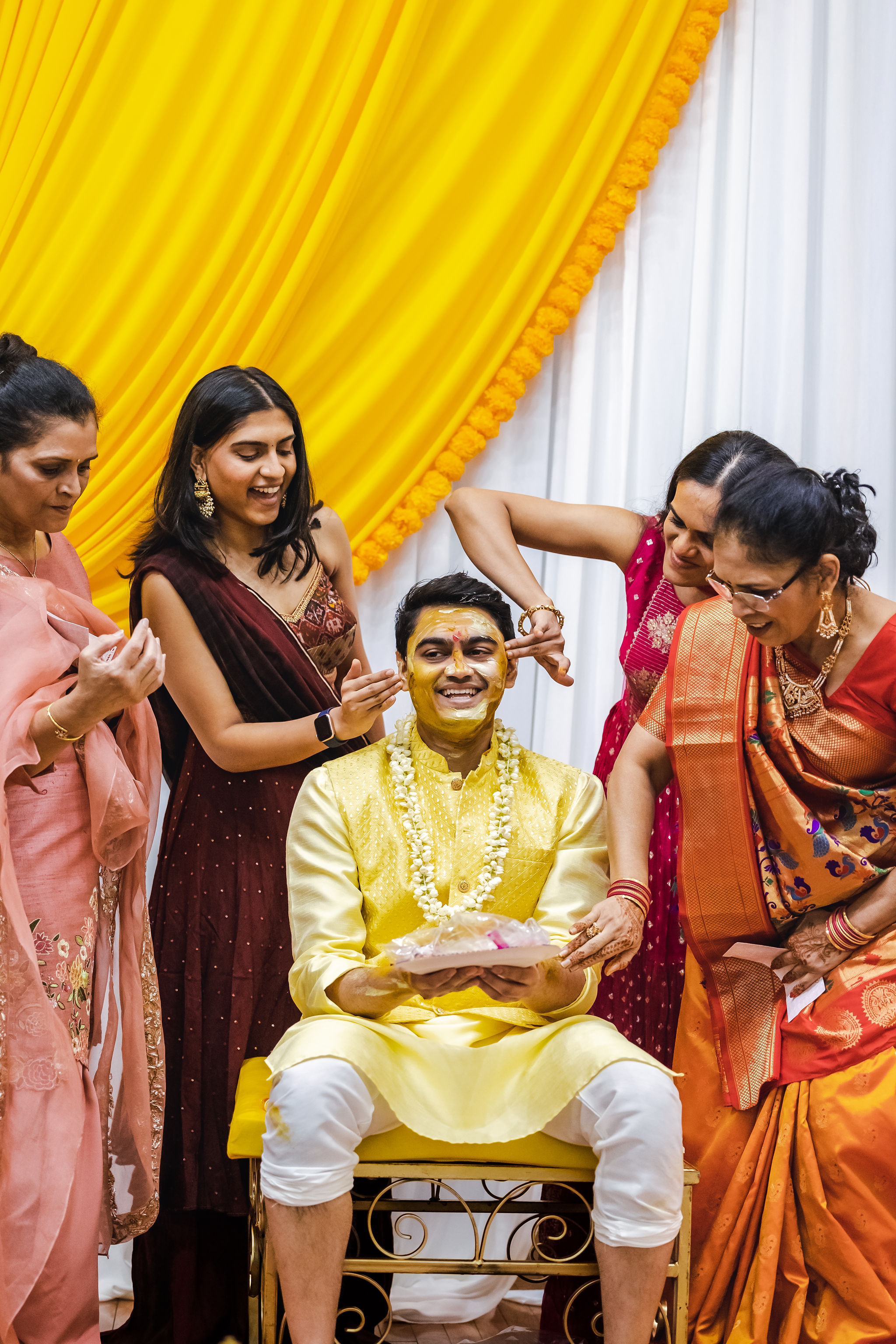
Family and friends take turns applying the Haldi paste to the bride and groom’s face, neck, arms, and feet. The ceremony is often accompanied by singing traditional songs, music, and laughter, creating a festive and joyous atmosphere. After the application of Haldi, the bride and groom are required to wait until the paste dries on their skin. They are then allowed to take a ritualistic bath or shower to cleanse themselves before the main wedding ceremony.The Haldi ceremony is not only a traditional ritual but also a time for family and friends to come together and celebrate the upcoming union. The vibrant colors, festive atmosphere, and meaningful customs make it a memorable event in the overall wedding festivities.

What does haldi mean in an Indian wedding?
In an Indian wedding, haldi refers to a traditional pre-wedding ceremony where a paste made from turmeric (haldi in Hindi), sandalwood, rose water, and other ingredients is applied to the bride and groom’s body. This ceremony is believed to purify, cleanse, and bless the couple before their wedding. Turmeric is known for its antiseptic and skin-brightening properties, symbolizing prosperity, positivity, and protection from negative energy. The haldi ceremony is also a joyful occasion, filled with music, laughter, and vibrant yellow hues, representing happiness and new beginnings.
- Purification and Protection: The turmeric paste is thought to cleanse the body and soul, removing impurities and warding off evil spirits.
- Auspiciousness: Yellow, the color of turmeric, is considered sacred and symbolizes prosperity, happiness, and good fortune.
- Blessings: Family members and friends apply the haldi paste while offering prayers and blessings for a happy and harmonious married life
- The haldi ceremony usually takes place on the morning of the wedding day (or a day before).
- The bride and groom sit separately with close family and friends surrounding them.
- The turmeric paste is applied to their face, neck, arms, hands, knees, and feet.
- After the ritual, the couple traditionally takes a ceremonial bath to wash off the paste, symbolizing a fresh start before marriage.
Different regions of India have unique variations of the haldi ceremony. In some regions, the paste includes milk, curd, or gram flour. In Maharashtra, the ceremony is called Halad Chadavane. In Bengali weddings, a turmeric-infused water ritual is performed The haldi ceremony is often a lighthearted and fun-filled event, accompanied by traditional songs, music, and playful moments where family members might smear extra paste on each other. Overall, the haldi ceremony is not just a beauty ritual but a celebration of love, laughter, and blessings as the couple prepares to embark on their new journey together.